Overview
Synopsis
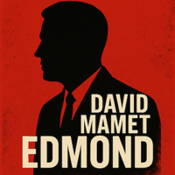
Edmond tells the story of an ordinary middle-aged man whose life unravels over the course of a single night in New York City. After visiting a fortune teller who tells him he is not where he belongs, Edmond abruptly leaves his wife and ventures into the city in search of meaning and excitement. As he moves through bars, strip clubs, and seedy streets, he encounters a series of strangers—pimps, prostitutes, hustlers, and outsiders—each encounter escalating in tension and pushing him further into a spiral of aggression, fear, and confusion.
As Edmond’s night progresses, his sense of morality and self-control collapses, leading him to acts of violence and cruelty that reveal the darkest corners of his psyche. Ultimately, his search for freedom and identity ends not in liberation, but in imprisonment, where he is forced to confront the consequences of his actions and the existential emptiness at the core of his journey. The play’s raw dialogue and relentless pacing reflect Mamet’s signature style, creating a disturbing exploration of alienation, prejudice, and the fragile line between civility and chaos.
Show Information
Context
When Edmond premiered at the Goodman Theatre in Chicago in 1982, David Mamet had already established himself as one of America’s leading playwrights, known for his terse dialogue, moral ambiguity, and unflinching portrayals of power struggles. Coming on the heels of American Buffalo (1975) and Glengarry Glen Ross (1984), Edmond represented Mamet’s continuing exploration of masculinity, capitalism, and alienation in modern America. The play’s raw intensity, fragmented episodic structure, and
to read the context for Edmond and to unlock other amazing theatre resources!Characters
Showing 8 of 12 characters
Character Portrayals
See StageAgent members who have performed roles in Edmond.
Want to be featured on this page? Update your credits.
Themes, Symbols & Motifs
Themes
Alienation and Disconnection - At its core, Edmond is about a man who feels estranged from his life, his marriage, and society. His night-long journey through New York highlights how urban life can intensify feelings of loneliness and isolation, even in a city crowded with people.
Violence and Power - Mamet explores how quickly civility can break down, exposing primal instincts. Edmond’s encounters escalate into aggression and brutality, suggesting that violence becomes a distorted
to read about the themes, symbols and motifs from Edmond and to unlock other amazing theatre resources!Key Terms
An anti-hero is a central character who lacks traditional heroic qualities such as morality, bravery, or idealism. Often flawed and complex, anti-heroes appear frequently in modern drama and literature.
Catharsis is the emotional release experienced by the audience at the conclusion of a tragedy or intense dramatic work. It allows viewers to purge feelings of fear, pity, or tension through the resolution of the play’s conflict. The concept dates back to Aristotle, who believed catharsis was central to the purpose of theatre.
An extended speech delivered by a single character, either to another character or the audience. Monologues are used for character development and to reveal inner thoughts.
Naturalism is a theatrical style that seeks to depict life with accuracy, focusing on everyday speech, behavior, and settings. It often highlights ordinary people in realistic environments, emphasizing authenticity over theatricality. Emerging in the late 19th century, naturalism remains influential in contemporary drama.
Pacing is the speed and rhythm at which a play, scene, or performance unfolds, influenced by dialogue, action, and directorial choices. It shapes the audience’s emotional engagement, creating tension, urgency, or moments of reflection. Effective pacing ensures balance between dramatic intensity and quieter beats, guiding the overall flow of the theatrical experience
Subtext refers to the unspoken thoughts, emotions, or intentions that lie beneath a character’s dialogue or actions. It provides depth and complexity to performances, allowing audiences to sense hidden conflicts or desires. Directors and actors often rely on subtext to create nuance and tension in storytelling.
Videos
Guide Written By:

Jason Engleman
Humming show tunes day and night.