Overview
Synopsis
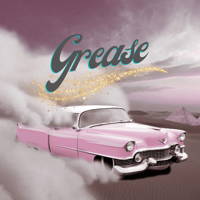
It’s 1959, and Rydell High School’s senior class is in rare form. The too-cool-for-school “Burger Palace Boys” are stealing hub-caps and acting tough and their gum-snapping, chain-smoking “Pink Ladies” are looking hot in bobby sox and pedal pushers. The 1950s high school dream is about to explode in this rollicking musical that is both an homage to the idealism of the fifties and a satire of high schoolers’ age-old desire to be rebellious, provocative and rebellious. At the heart of the story is the romance between hot-rodding gangster Danny Zuko and the sweet new girl in town, Sandy Dumbrowski. They had a secret romance in summer, but now back in the context of school, peer-pressure and cliques make their love a bit more complicated. Can Danny maintain his cool dude status and still get make demure Sandy his girl? The whole gang sings and dances around Danny and Sandy’s romance, through such hit songs as "Greased Lightnin'", "We Go Together”, and “Mooning”, recalling the music of Buddy Holly, Little Richard and Elvis Presley that became the soundtrack of a generation. Starting off with an eight-year Broadway run, Grease is among the world’s most popular musicals and has a cult-like following, especially among teens!
Show Information
Context
Grease was inspired by playwright Jim Jacobs’ personal experience at William Taft High School in Chicago. The show originally premiered in 1971 at the Kingston Mines Theater in Chicago, and then moved to New York City. The original production was directed by Guy Barille and featured a much raunchier script, which was cleaned up in order to be more commercially palatable. The new production was directed by Tom Moore, and opened Off-Broadway in 1972 and then transferred to Broadway. The
to read the context for Grease and to unlock other amazing theatre resources!Plot
Act One
The class of 1959 has gathered together for their high school reunion and proudly recites the school’s Alma Mater (“Alma Mater”), led by their former English teacher, Miss Lynch. Miss Lynch calls up the former head cheerleader, perky Patty Simcox, and the class valedictorian, ever-geeky Eugene Florczyk. Eugene reprises his speechifying role, speaking this time to his fellow alumni and mentioning that some are missing from the present gathering, but he is sure they are there in
to read the plot for Grease and to unlock other amazing theatre resources!Characters
Showing 8 of 21 characters
Interactive Character Map
Visualize how the characters in Grease connect and drive the story.
Understand the relationships that shape the story of Grease
- See how characters connect at a glance
- Explore alliances, conflicts, and dynamics
- Dive deeper into each role
Character Portrayals
See StageAgent members who have performed roles in Grease.
Showing 8 of 216 portrayals








Want to be featured on this page? Update your credits.
Songs
Act One
- Alma Mater – Miss Lynch, Patty, Eugene and Company
- Alma Mater (Parody) – Pink Ladies and Burger Palace Boys
- *Summer Nights – Sandy, Danny, Pink Ladies and Burger Palace Boys
- *Those Magic Changes – Doody, Pink Ladies and Burger Palace Boys
- *Freddy, My Love – Marty and Pink Ladies
- *Greased Lightning – Kenickie and Burger Palace Boys
- *Rydell Fight Song – Sandy and Patty
- Mooning – Roger and Jan
- *Look at Me, I'm Sandra Dee – Pink Ladies and Rizzo
- *We Go Together – Company
Act Two
- *Shakin' at the High School Hop – Company
- It's Raining on Prom Night – Sandy and Radio Singer
- *Shakin' at the High School Hop (Reprise) – Company
- *Born to Hand Jive – Johnny Casino and Company
- *Beauty School Dropout – Teen Angel, Frenchy, and Female Angels
- Alone at a Drive-in Movie – Danny and Burger Palace Boys
- Rock 'N' Roll Party Queen – Doody and Roger
- There Are Worse Things I Could Do – Rizzo
- Look at Me, I'm Sandra Dee (Reprise) – Sandy
- *All Choked Up – Sandy, Danny, Pink Ladies and Burger Palace Boys
- *We Go Together (Reprise) – Company
Editor's Note: This show guide reflects the original Broadway production, but beginning with the 1993 London and 1994 Broadway revivals, four songs from the film are often included and/or replace some of the original numbers. Those songs are the film's title number Grease (Ensemble), Hopelessly Devoted to You (Sandy), Sandy (Danny), and You're the One That I Want (Sandy, Danny, Ensemble).
A song with an asterisk (*) before the title indicates a dance number; a character listed in a song with an asterisk (*) by the character's name indicates that the character exclusively serves as a dancer in this song, which is sung by other characters.
Themes, Symbols & Motifs
THEMES
Teenage Rebellion and Conformity
The theme of teenage rebellion and conformity captures the tension between youthful defiance and the pull of social norms in a 1950s high school setting, where characters like Danny Zuko and the Burger Palace Boys (T-Birds) embody greaser subculture through acts of vandalism, drag racing, and defiance of authority figures like teachers and parents. This theme satirizes the era's rigid expectations, as seen in subplots involving threatened
to read about the themes, symbols and motifs from Grease and to unlock other amazing theatre resources!Director Insights
Grease is often mistaken for a pristine, nostalgia-fueled movie musical, but Jim Jacobs and Warren Casey originally wrote a gritty, satirical, and rowdy homage to 1950s working-class youth culture. Grounding a production in the authentic grit of the original stage musical—rather than trying to reproduce the polished 1978 film—instantly gives the show edge, humor, and emotional truth. The core central dramatic question hinges on identity versus belonging: How much of yourself are you willing to sacrifice to fit into a high school clique? At Rydell High, the Burger Palace Boys and Pink Ladies wear their toughness like armor to hide deep insecurity, working-class anxieties, and fear of the future.
- Emphasize authentic teenage awkwardness over slick caricature. The characters are not polished 30-year-old movie stars; they are teenagers posturing as tough greasers and cool girls. The
Discussion Questions
Big Question
How far should a person go to change themselves in order to fit in with a group?
Discussion Questions
- How do Danny and Sandy’s recollections of their summer romance in "Summer Nights" differ, and what do these contrasting perspectives reveal about the expectations placed on teenage boys and girls in the 1950s?
- Why do you think the Burger Palace Boys put on such a tough, rebellious facade, and what moments in the show reveal their underlying vulnerabilities?
- Rizzo is often seen as the most cynical character in Rydell High. What drives her defensive outer shell, and how does her solo "There Are Worse Things I Could Do" reframe her character for the audience?
- In the original stage musical, the score heavily parodies early rock-and-roll and doo-wop music. How does the music style reflect the teenagers' desires to express rebellion and independence from their parents' generation?
- How does the social hierarchy at Rydell High influence the decisions individual characters make throughout the school year?
- Compare Frenchy’s aspirations and anxieties about her future with those of her peers. What does her encounter with the Teen Angel suggest about the pressures teenagers face regarding adulthood and success?
- The original stage version of Grease is grittier and more satirical than its film adaptation. How does a raw, working-class Chicago setting shape the characters' attitudes toward school, romance, and their futures?
- How do the various couples in the show—such as Danny and Sandy, Kenickie and Rizzo, or Jan and Roger—navigate peer pressure differently within their relationships?
- Is Sandy’s transformation at the end of the show a triumph of personal choice, a sacrifice of her authentic self, or something in between?
- What does Grease suggest about the concept of nostalgia? Do you think the show presents a realistic portrait of 1950s youth culture or a romanticized myth?
- What message does the show convey about friendship and loyalty when characters face real-world consequences, such as Rizzo's pregnancy scare or Kenickie's financial struggles?
- Think about a time when you felt pressured to change how you dress, talk, or act to fit into a specific social group. How did you balance staying true to yourself with wanting to belong?
Key Terms
A character in their teenage years, often portrayed as navigating identity, rebellion, and emotional growth.
A vocal technique blending chest and head voice to create a strong yet flexible sound for higher pitches.
A transitional section in music or story structure that connects two themes or scenes, adding emotional or narrative flow.
Describes a character whose name is the title of the play or musical, central to the narrative’s identity.
In theatre and film, the ingénue is a stock character representing a young, innocent, and often naïve woman, typically portrayed with charm and vulnerability. She is usually cast as the romantic interest, embodying purity and youthful idealism in contrast to more worldly or complex characters. The role often highlights themes of coming-of-age, first love, and the challenges of navigating adult society.
The complete text of an opera, musical, or other extended vocal work, including all spoken dialogue and lyrics. The libretto provides the dramatic structure and narrative arc, serving as a guide for both performers and directors to align story and music.
Rock and roll is a musical genre that originated in the United States in the 1950s, combining rhythm and blues with country and gospel influences. Characterized by strong beats, electric guitars, and youthful energy, it quickly became a symbol of rebellion and change. In theatre, rock and roll often represents social upheaval, generational conflict, and the rise of new cultural voices.
Satire is a dramatic style that uses humor, irony, and exaggeration to criticize human behavior, social institutions, or political systems. In theatre, it highlights flaws and hypocrisies through wit and parody, encouraging audiences to laugh while also reflecting on serious issues. Satire can range from lighthearted comedy to biting social commentary, making it both entertaining and thought-provoking.

