Overview
Synopsis
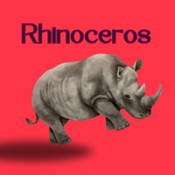
In a provincial French village, Berenger and his friend Jean meet at a local cafe for a Sunday afternoon drink. Berenger is unkempt, admitting that he drinks too much and often feels fearful. Jean, well-manicured and poised, tries to help his friend. But their meeting is disrupted by a rhinoceros thundering through town, drawing onlookers and speculation about how the pachyderm--whether with one or two horns, whether an Asiatic or African rhinoceros--got there. As time goes on, more rhinoceroses appear. Berenger realizes that the rhinoceroses are their neighbors, coworkers, and friends; some villagers are skeptical of the phenomenon, while others feel that they have no choice but to join them. As Berenger watches his world descend into the chaos of the stampede, he is faced with the moral dilemma of his own identity in the face of societal decay. Hailed as an early example of Theatre of the Absurd, Eugene Ionesco’s Rhinoceros is an allegory that warns of the dangers of nationalistic fervor, mob mentality, and the rise of destructive political forces.
Show Information
Characters
Showing 8 of 15 characters
Character Portrayals
See StageAgent members who have performed roles in Rhinoceros.






Want to be featured on this page? Update your credits.
Monologues
Scenes
Key Terms
Absurdism is a 20th-century theatrical style that reflects the belief that life lacks inherent meaning. Playwrights such as Samuel Beckett and Eugène Ionesco used illogical dialogue, repetition, and surreal situations. The genre emphasizes the futility of human struggle and the breakdown of communication.
Allegory is a storytelling device in which characters, events, and settings represent abstract ideas or moral qualities. In theatre, allegorical plays often deliver social, political, or religious messages beneath their surface narrative.
A philosophical movement emphasizing individual existence and responsibility, often reflected in modern theatre.
A movement and technique using symbolic imagery and metaphors to express abstract ideas and inner experiences.
A dramatic movement featuring illogical dialogue, cyclical plots, and existential themes, reflecting the absurdity of human existence.
Videos
Quizzes
Guide Written By:

Cindi Calhoun
Theatre teacher, director, writer, and seamstress