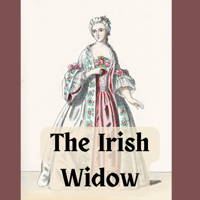
Overview
Synopsis
65-year-old Whittle has stolen his nephew William’s lover, 23-year-old Widow Brady. To secure his wife-to-be, Whittle is holding the fortune he inherited from his brother ransom. Under the terms left by Whittle’s brother, William will get no share of the family fortune if Whittle does not approve of his wife. With help from some of Whittle’s own advisors, Brady enacts a plan to repel her elderly suitor: since it was her modest nature that attracted Whittle, she puts on a bawdy, wild persona complete with a thick Irish brogue. The plan works, but Whittle’s friends decide he deserves some extra punishment, complete with a mob and pistol-packing Brady disguised as her brother.
One of Garrick’s final plays, The Irish Widow is drawn from the plot of Moliere’s The Forced Marriage.
Show Information
Characters
Showing 8 of 9 characters
Character Portrayals
See StageAgent members who have performed roles in The Irish Widow.
Want to be featured on this page? Update your credits.
Monologues
Scenes
Key Terms
A dramatic device where a character speaks directly to the audience or to themselves, unheard by other characters onstage.
A brogue is a strong, distinctive regional accent, most commonly referring to the way English is spoken in Ireland. It is characterized as a thick, often lyrical, pronunciation, though it can sometimes refer to a strong Scottish accent.
A group of performers who function as a unit in a production rather than as individuals with leading roles.
A member of the ensemble with a named or minor speaking role within a larger group.
Works not protected by copyright and available for free use or adaptation. Many classical plays, including Shakespeare's, fall into the public domain.
Quizzes
Guide Written By:

Kevan Dunkelberg
Oklahoma-based drama teacher, actor and playwright