
Overview
Synopsis
Thomas Meehan and Christopher Curtis’ musical tracks the life and changing fortunes of the famous silent movie star, Charlie Chaplin. In 1913, Chaplin arrived in Hollywood aged just 24 years old. He experienced a meteoric rise from an unknown, small-time London music hall performer to becoming one of the richest, most famous man in the movie business. His iconic role as The Little Tramp propelled him to stardom but fame and notoriety posed its own challenges for Chaplin. With three failed marriages, a paternity suit, and a ruthless journalist determined to expose him as a communist, Chaplin’s fall from grace was meteoric and he spent the remainder of his life exiled in Switzerland. Charlie Chaplin: The Musical moves backward and forward throughout time, exploring how Chaplin’s childhood and inner insecurities shaped Hollywood’s greatest star….and also created his biggest problems. Finally, he is able to escape his past with the help of one woman--Oona O’Neill. Her unconditional love and support allow Chaplin to truly be himself and let go of The Little Tramp.
Show Information
Characters
Showing 8 of 9 characters
Character Portrayals
See StageAgent members who have performed roles in Chaplin: The Musical.

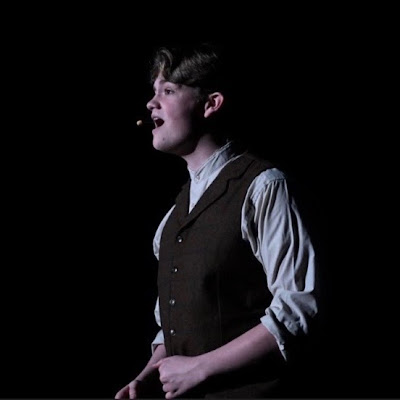

Want to be featured on this page? Update your credits.
Songs
Act One
*Overture/Prologue - Hannah; Oona; Sydney; Alf; Hedda; Max; Young Chaplin; Ensemble
Look at All the People - Hannah; Young Chaplin
Whatcha Gonna Do? - Charlie; Hannah; Jackie Coogan
If I Left London - Charlie; Sydney
Sennett Song - Charlie; Max
Look at All the People (Reprise)/Tramp Discovery - Charlie; Hannah; Ensemble
Tramp Shuffle - Part 1 - Charlie; Max; Usher
Tramp Shuffle - Part 2 - Charlie; Max; Usher
Life Can Be Like the Movies - Charlie; Sydney; Usher
The Look-A-Like Contest - Charlie; Hannah; Sydney; Alf
Act Two
*Just Another Day in Hollywood - Charlie; Alf; Hedda
The Life That You Wished For - Charlie
*All Falls Down - Hedda
Man of All Countries - Hedda; Max
What Only Love Can See - Charlie; Oona
The Exile - Hedda
Where Are All the People? - Charlie
What Only Love Can See (Reprise) - Charlie; Oona
This Man - Hannah; Oona; Sydney; Alf; Hedda; Max
Finale/Tramp Reprise - Hannah; Oona; Sydney; Alf; Hedda; Max; Ensembler
A song with an asterisk (*) before the title indicates a dance number; a character listed in a song with an asterisk (*) by the character's name indicates that the character exclusively serves as a dancer in this song, which is sung by other characters.
Key Terms
A genre of drama based on real people’s lives, exploring their challenges, accomplishments, and inner conflicts.
A political ideology often depicted or explored in 20th-century epic or protest theatre for social critique.
A British theatrical genre featuring variety entertainment including songs, comedy, and specialty acts. Popular in the 19th and early 20th centuries, it influenced modern musical theatre.
The Silent Film Era refers to the period in cinema history from the late nineteenth century until the late 1920s when motion pictures had no synchronized recorded sound. Filmmakers relied heavily on visual storytelling, expressive acting, body language, and title cards to convey plot and emotion to the audience.
Slapstick is a type of physical comedy that relies on exaggerated actions, pratfalls, and humorous accidents to provoke laughter. It often includes broad movements, funny sound effects, and comic violence, such as someone slipping on a banana peel or being hit with a harmless object. The style originated in commedia dell’arte and became popular in vaudeville, silent film, and stage comedy.
Videos
Quizzes
Guide Written By:

Alexandra Appleton
Writer, editor and theatre researcher