Overview
Synopsis
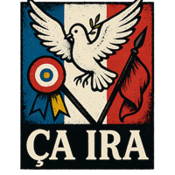
Ça Ira follows the sweeping arc of the French Revolution, tracing its origins, ideals, and eventual descent into chaos. Told through allegorical characters and symbolic tableaux, the opera begins with the storming of the Bastille and the declaration of liberty, equality, and fraternity. The people rise up against monarchy and oppression, fueled by dreams of justice and freedom. The work emphasizes the power of collective struggle and the emotional fervor of a society determined to overthrow tyranny.
As the Revolution unfolds, hope gives way to violence and disillusionment. The opera depicts the Reign of Terror, where executions, betrayals, and fear consume the movement that once promised renewal. Leaders who inspired unity fall to infighting and extremism, leaving the populace caught between idealism and bloodshed. Throughout, Ça Ira highlights the enduring tension between revolutionary ideals and human frailty, presenting the Revolution as both a triumph of hope and a cautionary tale of its destructive excesses.
Show Information
Context
Roger Waters, best known as the co-founder and creative force behind Pink Floyd, began work on Ça Ira in 1987 after being introduced to a libretto by French writers Étienne and Nadine Roda-Gil. Deeply interested in history and political struggle, Waters was drawn to the story of the French Revolution, seeing it as both a symbol of human hope and a warning about power’s corrupting nature. He translated the Roda-Gils’ original French text into English and composed a score that blends classical
to read the context for Ça Ira and to unlock other amazing theatre resources!Characters
Lead
Character Portrayals
See StageAgent members who have performed roles in Ça Ira.
Want to be featured on this page? Update your credits.
Themes, Symbols & Motifs
Themes
Revolution and Liberation
At its core, Ça Ira dramatizes the collective uprising of ordinary people against monarchy and tyranny. The opera highlights the ideals of liberty, equality, and fraternity, portraying revolution as both a necessary act of liberation and a risky gamble with unintended consequences.
The Corruption of Ideals
While the Revolution begins with hope and unity, Ça Ira emphasizes how power struggles, fear, and extremism can corrupt even the noblest goals. The
to read about the themes, symbols and motifs from Ça Ira and to unlock other amazing theatre resources!Key Terms
A large-scale musical work for orchestra and voices, typically based on a sacred story and performed without staging. Oratorios are closely related to opera in style.
A style of vocal delivery in opera where the singer adopts the rhythms of ordinary speech. It advances plot between arias and provides narrative context.
Spectacle refers to the visual elements of a production that create wonder and excitement through design, movement, or scale. This might include elaborate costumes, dazzling choreography, special effects, or impressive sets. Spectacle often heightens the theatrical experience by leaving audiences with vivid visual impressions alongside the story and music.
A tableau is a staged moment where performers freeze in a visually powerful pose or arrangement, almost like a living picture. Instead of dialogue or movement, the image itself communicates the meaning—whether it’s celebrating triumph, mourning loss, or showing a turning point in the story. In an opera such as Ça Ira, which dramatizes the French Revolution, tableaux are often used to symbolize big events like the storming of the Bastille or the collective spirit of the people.
Videos
Guide Written By:

Jason Engleman
Humming show tunes day and night.