Stage Fright from Beyond: The Most Famous Ghosts of Broadway and the West End
Alexandra Appleton | Last updated: October 12, 2026
When the final curtain falls, the applause fades, and the dark velvet seats empty out, a quiet stillness settles over world-famous playhouses. But according to centuries of theatrical lore, the phantom light center stage isn’t the only thing keeping watch after hours.
In the world of show business, the ultimate devotion to the craft means never truly taking a final bow. From the glittering marquees of New York’s Broadway to the historic stages of London’s West End, some of theatre’s most famous residents are the spirits who refuse to leave.
Grab your tickets and turn down the lights—here is a front-row tour of the standard-bearers of spectral showbiz history.
London’s West End: Phantoms with British Pedigree
The West End’s Theatreland is built on centuries of history, drama, and unscheduled spectral appearances.
The Man in Grey (Theatre Royal, Drury Lane)
If you ask any West End insider to name the most famous theatre ghost in Great Britain, their answer will almost certainly be the Man in Grey.
Operating continuously on the same site since 1663, the Theatre Royal, Drury Lane is recognized as one of the most haunted theatres in the world. Its resident spirit is a silent figure dressed in an 18th-century grey cloak, tricorn hat, and powdered wig. He is regularly spotted by usherettes, actors, and theatergoers drifting serenely across the Upper Circle before vanishing into a solid wall.
The Historical Twist:
In the 19th century, maintenance workers renovating the theatre knocked through the very wall where the ghost was known to vanish. Inside a small, forgotten cavity, they discovered a hidden room containing a human skeleton with a rusty dagger stuck straight through its ribs.
Unlike most haunting tales, seeing the Man in Grey isn't considered a curse. Performers actually pray to catch a glimpse of him during previews—legend says his appearance guarantees that the show will become a long-running, smash-hit success!
Bonus Ghosts:
The Man in Grey isn’t the only spooky resident of Theatre Royal Drury Lane! The theatre is also said to be haunted by actor Charles Macklin and nineteenth-century clown Joseph Grimaldi. Macklin reportedly roams the backstage corridor where he killed fellow actor Thomas Hallam in 1735 during an argument over a wig. Yes, a wig! Meanwhile, Grimaldi seems to be a rather friendlier ghost, having supposedly helped nervous actors find their feet on stage. Who says ghosts can’t be useful?
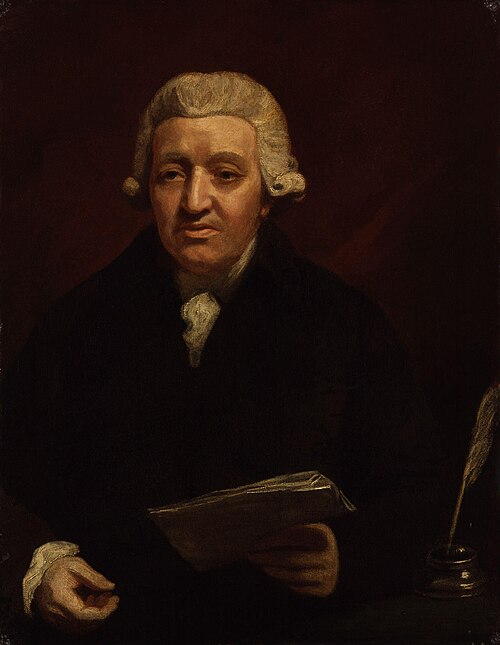
A portrait of Charles Macklin by John Opie, 1792. (PD-US)
William Terriss (The Adelphi Theatre)
On December 16, 1897, iconic Victorian actor William Terriss was stabbed to death right outside the stage door of the Adelphi Theatre by a jealous, mentally unstable bit-part actor named Richard Archer Prince. As Terriss lay dying in the arms of his leading lady, Jessie Millward, his famous final words were reported as: "I will come back."
He kept his promise.
Over a century later, "Breezy Bill" Terriss remains an active ghost at the Adelphi. Cast members and passersby have reported seeing a phantom figure in Victorian garb roaming the corridors and standing near the stage door. He is known to make his presence felt via unexplained cold spots, tapping actors encouragingly on the shoulder before opening night, and causing knocking sounds in Miss Millward’s old dressing room.
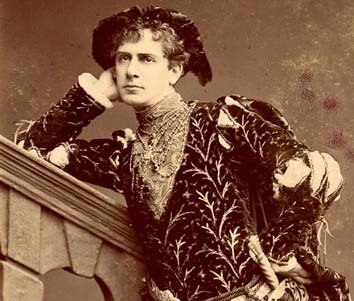
William Terriss (PD-US)
Broadway’s Brightest Spectral Stars
Across the Atlantic, Broadway boasts a lively cast of ghosts who take "the show must go on" quite literally.
Olive Thomas (The New Amsterdam Theatre)
The crown jewel of Broadway ghost stories belongs to Olive Thomas, a famous Ziegfeld Follies showgirl and silent film star often described as "the most beautiful girl in the world."
In 1920, at the tragic age of 25, Olive died in Paris under mysterious circumstances after ingesting her husband's toxic medicine. Soon after her death, she returned to the venue where she experienced her greatest triumphs: the historic New Amsterdam Theatre on 42nd Street.
Olive’s spirit is famously interactive. Decked out in her beaded green Ziegfeld gown and feather headdress, she is known to blow kisses to male crew members, flirt with stagehands, and cause harmless backstage mischief like moving props or flicking lights.
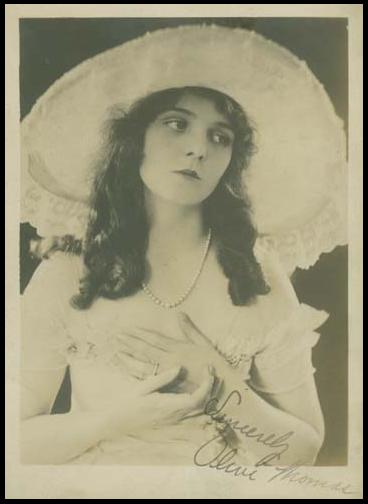
Autographed photo of Olive Thomas, c. 1916 (PD-US)
A Modern Superstition:
Disney stagehands take Olive’s presence so seriously that framed photos of her hang at every stage entrance. Staff members and actors are instructed to say, "Goodnight, Olive!" before leaving the building each evening to keep her happy.
David Belasco (The Belasco Theatre)
Known as the "Bishop of Broadway" because he preferred wearing clerical collars and long black suits, theater producer David Belasco was an absolute eccentric. In 1907, he built the Belasco Theatre (originally the Stuyvesant Theatre ) – complete with a lavish, multi-room gothic apartment built directly above the auditorium where he lived until his death in 1931.
Belasco’s ghost is known to sit in his former private balcony box during rehearsals and preview performances, watching actors with a sharp, critical eye. He is accompanied by the scent of heavy cigar smoke, sudden drops in temperature, and the sound of his apartment's private elevator moving between floors late at night when the power is completely off.
Legend says that if Belasco approves of a performance, he will shake an actor’s hand or nod warmly from the dark. But if he dislikes a scene, actors report hearing his footsteps pacing angrily in the balcony overhead!
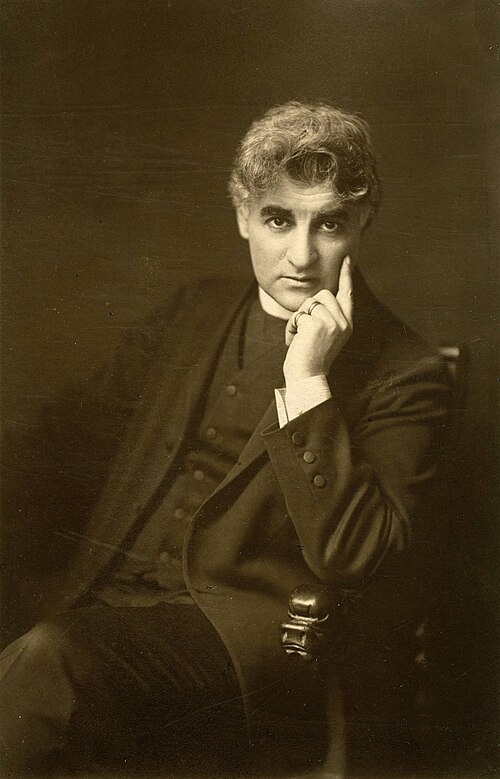
David Belasco in 1909. (PD-US)
Bonus Ghost:
David Belasco isn’t the only phantom haunting 44th Street. Often seen lurking near his private box or gliding down the grand staircase is The Lady in Blue—a spectral figure clad in an elegant, flowing blue gown. Some theatre historians believe she was one of Belasco's chorus girls or leading ladies with whom he had a tragic affair, while others speculate she was a devoted companion who died unexpectedly in the theatre’s private elevator shaft.
Whatever her true origins, her sightings are among the most famously documented on Broadway. While starring in a revival of The Crucible at the Belasco Theatre, acclaimed actress Laura Linney famously looked up toward the upper balcony during a performance and locked eyes with a woman in a blue dress standing against the wall. Linney later recalled that the figure was entirely serene, watching the play alongside the living audience before fading away.
The Ghost Light: Keeping the Spirits Occupied
Have you ever wondered why every professional theatre leaves a single, bare lightbulb burning in the middle of the empty stage overnight?
While the practical explanation is to prevent crew members from falling into the orchestra pit in total darkness, the theatrical tradition runs deeper. Superstition holds that every theatre has ghosts, and the Ghost Light gives those restless spirits enough light to perform their own shows when the humans go home, keeping them from causing chaos during real performances.
Why We Love Haunted Theatres
Theatres are emotional pressure cookers. Night after night, actors, crew, and audiences pour intense human energy—fear, love, passion, grief—into the exact same space. It is no wonder that so many believe a piece of that passion stays behind long after the lights go down.
So, the next time you snag tickets for a show on Broadway or in London's West End, keep your eyes on the balcony aisles. You just might spot an extra cast member who didn't check the playbill!
Originally Published: October 12, 2026
Last Updated: October 12, 2026
Blog Written By:

Alexandra Appleton
Writer, editor and theatre researcher
More From Theatre History
Welcome to StageAgent
Our mission is to provide actors, directors, teachers and backstage staff with the ultimate theatre research and education platform.
Enjoy amazing theatre resources: