
Overview
Synopsis
The careers of four eccentric Broadway stars are struggling and they desperately need a new stage upon which to shine bright once more. Seeking out a cause, they head straight to small-town Indiana. Through social media, they have heard of trouble brewing around a school prom. Local girl, Emma Nolan, wants to take her girlfriend to prom but the homophobic PTA are on a mission to keep the high school dance on the straight and narrow.
Determined to transform lives and put themselves back in the limelight, the Broadway celebrities muscle in to change the town and give Emma the prom she deserves.
Show Information
Context
The Prom is a contemporary musical comedy with music by Matthew Sklar, lyrics by Chad Beguelin, and book by Bob Martin and Chad Beguelin. It is based on an original concept by longtime Broadway producer and creative consultant Jack Viertel, who planted the initial seeds for the story. The show's development spanned about eight years, drawing inspiration from real-life events involving high school proms and LGBTQ+ rights issues, evolving into a heartfelt narrative about acceptance, celebrity
to read the context for The Prom and to unlock other amazing theatre resources!Plot
Act One
As the show opens Dee Dee and Barry are reveling in the opening night attention of Eleanor! - The Eleanor Roosevelt Musical. Sheldon, their publicist, ushers them through the press and the actors discuss the incredible characters they create who inspire and change lives (“Our Hands Are Tied“) However, although the initial review was positive, more reviews start to come in and they are not so kind. Critics are savaging the production and slamming the performances of Dee Dee and
to read the plot for The Prom and to unlock other amazing theatre resources!Characters
Showing 8 of 11 characters
Interactive Character Map
Visualize how the characters in The Prom connect and drive the story.
Understand the relationships that shape the story of The Prom
- See how characters connect at a glance
- Explore alliances, conflicts, and dynamics
- Dive deeper into each role
Character Portrayals
See StageAgent members who have performed roles in The Prom.
Showing 8 of 59 portrayals






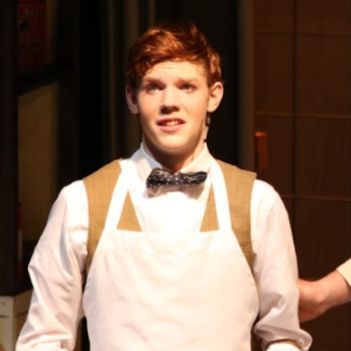
Want to be featured on this page? Update your credits.
Songs
Showing 8 of 17 songs
A song with an asterisk (*) before the title indicates a dance number.
Themes, Symbols & Motifs
THEMES
Acceptance and Inclusion
This is the central theme of the show, emphasizing the necessity of accepting others regardless of sexual orientation, background, or differences. The story contrasts conservative small-town prejudice with the eventual embrace of diversity, showing how inclusion transforms individuals and communities. Through Emma's journey from isolation to celebration, and the Broadway stars' growth from self-serving activism to genuine allyship, the musical delivers
to read about the themes, symbols and motifs from The Prom and to unlock other amazing theatre resources!Key Terms
A ballad is a song style that tells a story through simple, lyrical verses and a steady rhythm. In theatre, ballads are often slow and emotional, allowing characters to reveal deep feelings or reflect on personal journeys. They can be used to highlight romance, longing, or moments of dramatic intensity.
A powerful, resonant singing technique used in musical theatre to project high notes with chest voice.
Camp is a performance style that celebrates exaggeration, theatricality, and deliberate bad taste for comic or satirical effect. Often marked by irony, flamboyance, and over-the-top characterizations, camp turns the absurd into entertainment. In theatre, it invites audiences to laugh both at and with the performance’s outrageousness.
The art of designing and arranging movement sequences for theatrical dance and physical storytelling.
Prejudice or discrimination against LGBTQ+ individuals, sometimes explored as a theme in dramatic works. This term plays a vital role in understanding theatrical structure and is commonly encountered in stagecraft or performance settings.
An “I Want Song” is a number, usually placed early in a musical, where a main character expresses their deepest desire or ambition. This song sets the character’s journey in motion and gives the audience a clear emotional stake in the story. It has become one of the most recognizable and enduring conventions of musical theatre structure.
A genre that centers LGBTQ+ characters and themes, challenging heteronormative narratives and celebrating diverse identities in performance.
Videos
Quizzes
Guide Written By:

Alexandra Appleton
Writer, editor and theatre researcher