For decades, the name Andrew Lloyd Webber has been synonymous with blockbuster musical theatre. From megahits to cultural phenomena, his shows have shaped the industry as we know it. But in 2026, something particularly interesting is happening.
It’s not just that his work is still running – it’s that it’s being reimagined, revived, and rediscovered in bold new ways! Critics have even started calling it a “Webbernaissance” – a full-scale renaissance of Andrew Lloyd Webber’s catalogue across both Broadway and the West End.
So what’s behind this resurgence? And what does it mean for performers, educators, and the future of musical theatre?!
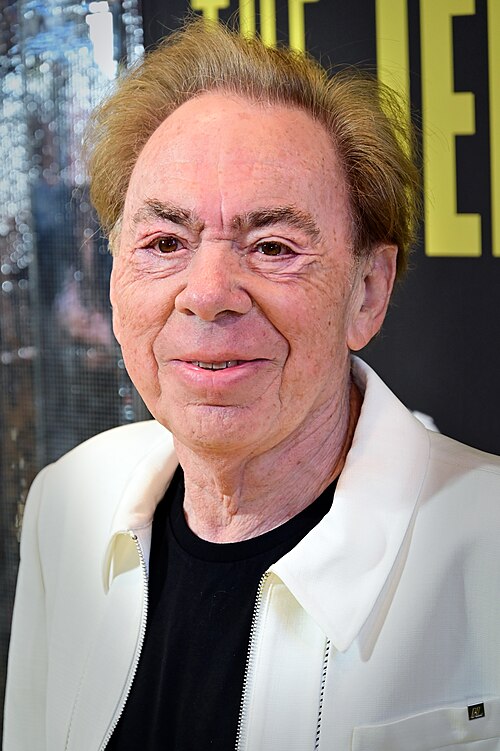
By PhilipRomano. Photo via Wikimedia Commons, CC BY-SA 4.0.
A Catalogue Built for Reinvention
From Cats to Evita and The Phantom of the Opera, Webber’s shows are instantly recognizable, musically rich, and visually iconic. But, surprisingly, the source material is also quite flexible.
Unlike some musicals that are tightly tied to a specific style or era, Webber’s work often allows directors to reinterpret major areas such as setting, design, characterization, and even the core tone of the piece. This adaptability has made his shows ideal for a new generation of directors eager to rethink, rather than replicate, classic material.
Bold Revivals Are Leading the Charge
The most obvious sign of the renaissance is the sheer number of high-profile revivals happening right now. And where better to begin than with the stage felines!
On Broadway, one of the most talked-about productions is Cats: The Jellicle Ball, a radical reimagining of the original musical that places the story within the world of the Harlem ballroom scene.
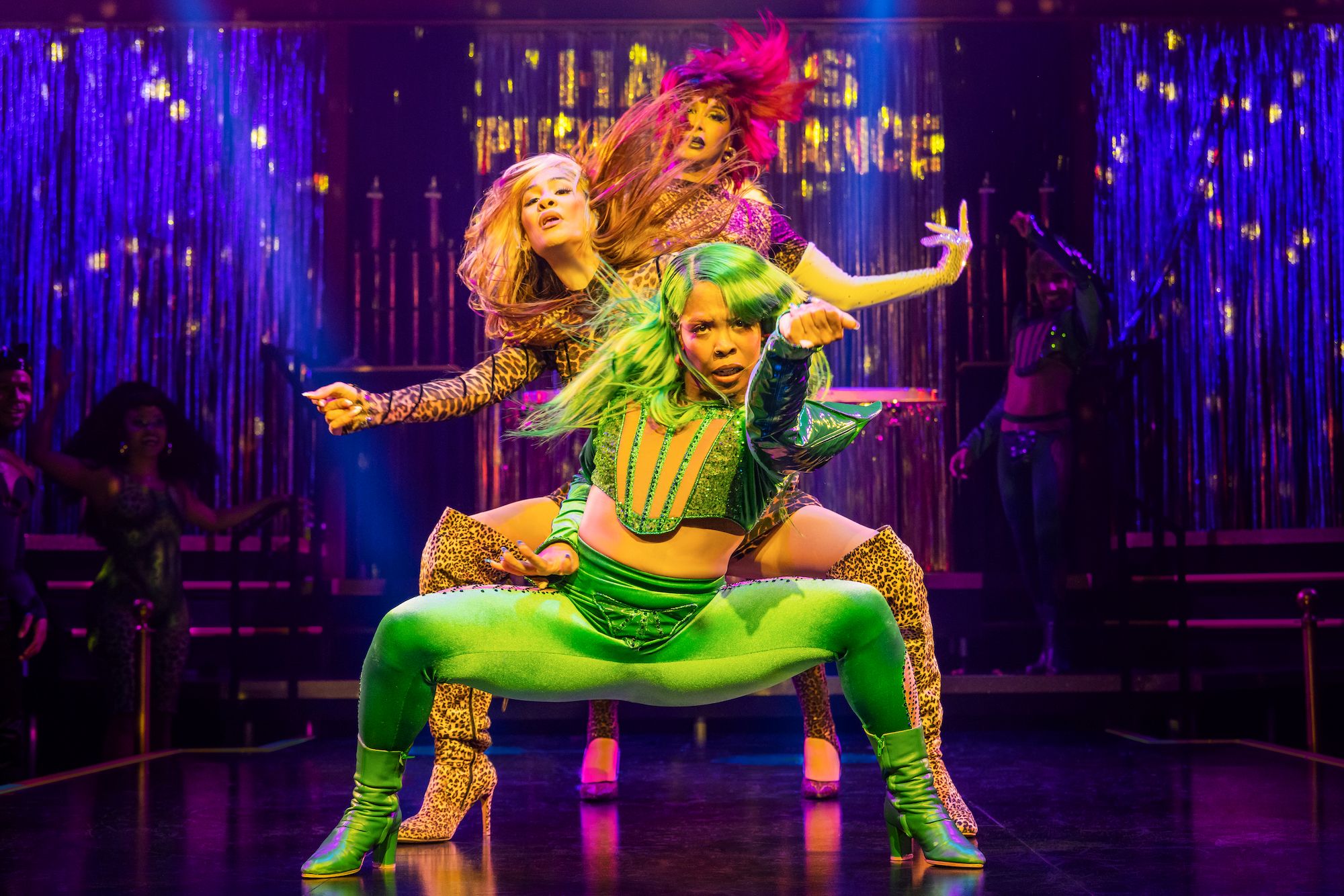
Leiomy as ‘Macavity,’ Kya Azeen as ‘Etcetera,’ and Dava Huesca as ‘Rumpleteazer’ from Cats: The Jellicle Ball. Photos by Matthew Murphy and Evan Zimmerman for MurphyMade.
This isn’t just a revival – it’s a reinvention. Traditional costumes are replaced with fashion inspired by LGBTQ+ ballroom scenes, and the production emphasizes identity, community, and performance in entirely new ways. And audiences are loving it!
Meanwhile, in London, a brand-new outdoor revival of Cats is set to take over Regent’s Park Open Air Theatre in summer 2026, continuing the trend of re-staging familiar material in unexpected environments.
Star Power and Modern Direction
Another key driver of the renaissance is the involvement of high-profile performers and directors. A standout example is the recent revival of Evita, starring Rachel Zegler in the West End. Her performance was so successful that the production is now set to transfer to Broadway in 2027.
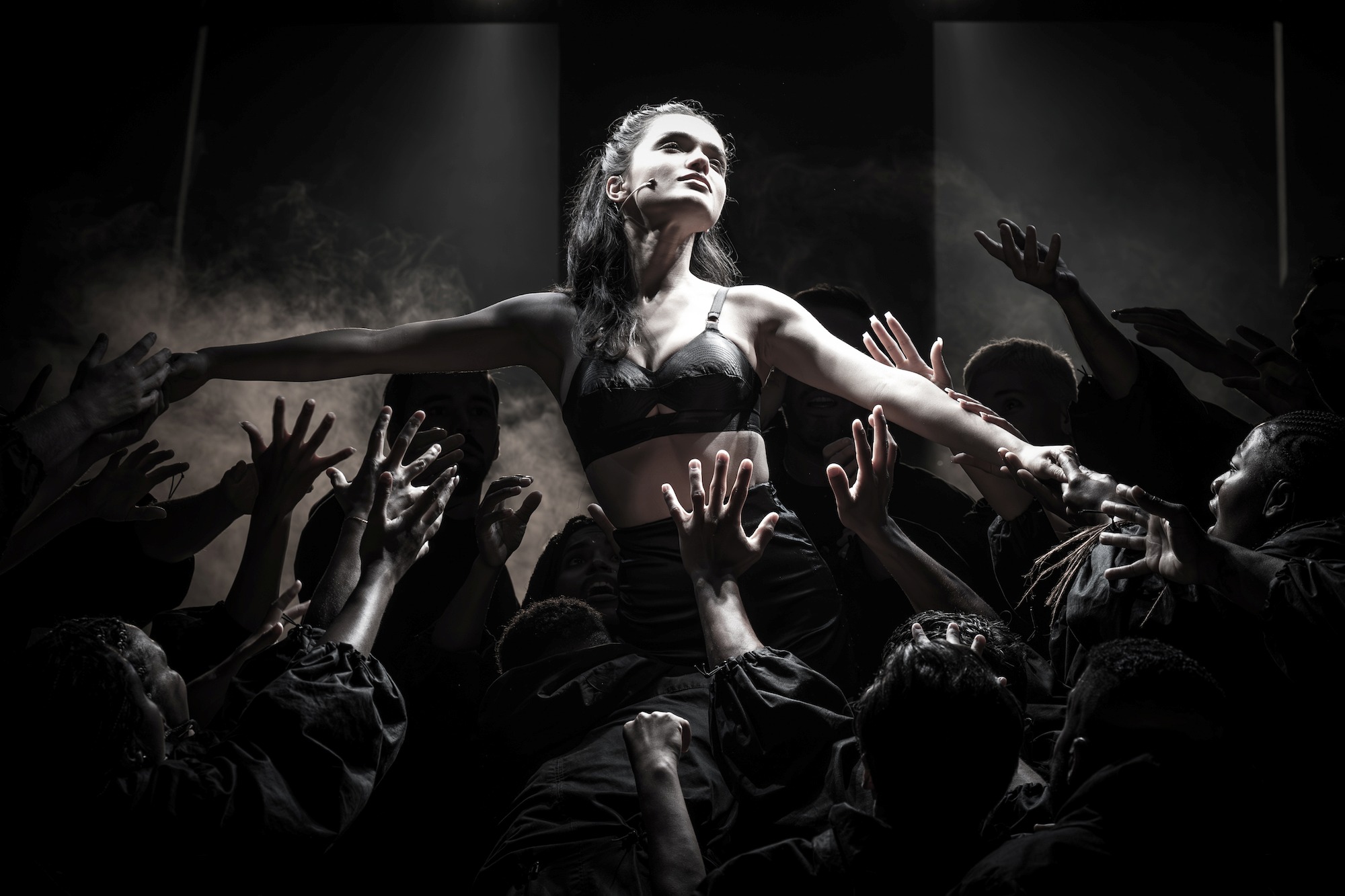
The London production of Evita. Photos by Marc Brenner.
Directed by Jamie Lloyd, the show featured bold staging choices, including a now-famous moment where Zegler performed “Don’t Cry for Me Argentina” from an exterior balcony to crowds outside the theatre.
Of course, this production followed the highly successful, multi award-winning West End and Broadway revival of Sunset Boulevard, starring Nicole Scherzinger in a cinematic, minimalistic, modern aesthetic. Such revivals aren’t nostalgic recreations – they’re contemporary reinterpretations designed to speak to today’s audiences.
Lloyd also created a famous exterior moment with the opening of Act Two in the Sunset Boulevard revival as a live-stream feed followed cast members through the interior and exterior of the theatre, with crowds outside trying to get a glimpse of the actors walking the streets in character.
This kind of innovative direction is central to the current wave of Webber revivals. Directors aren’t afraid to strip back spectacle, reframe iconic moments, and challenge audience expectations.
The result? Productions that feel urgent, modern, and artistically daring.
Classic Shows, Still Going Strong
While new interpretations are gaining attention, Webber’s long-running classics continue to anchor the industry.
The Phantom of the Opera remains a cornerstone of the West End, celebrating over 40 years in London and continuing to attract audiences from around the world.
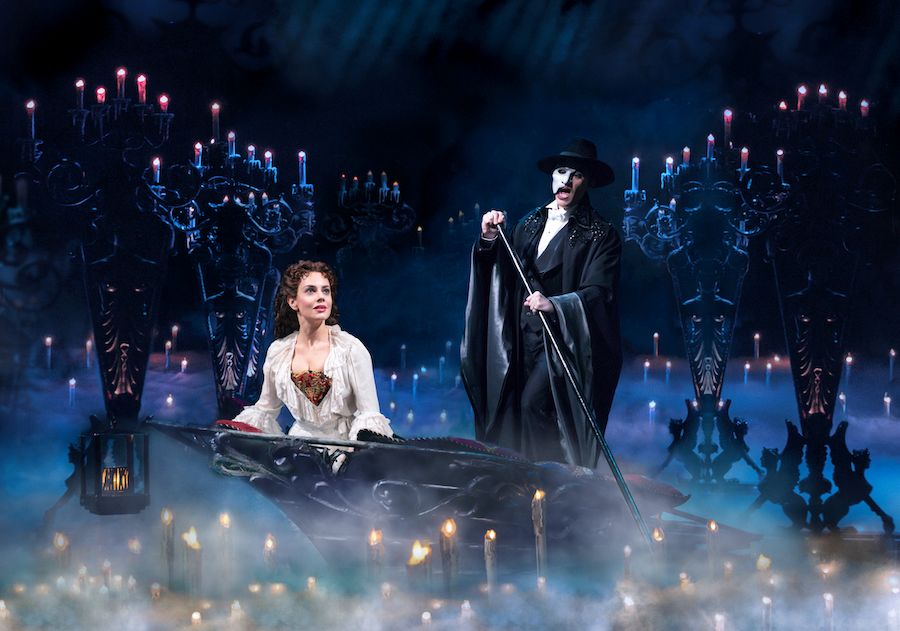
Meghan Picerno as Christine and Ben Crawford as The Phantom. Photo by Matthew Murphy.
This coexistence of tradition and innovation is a key feature of the current moment. Audiences can experience a classic, large-scale production or a bold, contemporary reinterpretation. At the moment, they can often experience both styles of Andrew Lloyd Webber shows within the same city.
This combination of legacy and innovation keeps his presence in the industry dynamic. Rather than being seen purely as a historical figure, Webber remains an active contributor to contemporary theatre.
Why Now?
So why is this resurgence happening now?
There are a few key factors at play:
1. Familiar Titles in an Uncertain Industry
With rising production costs and financial risk, producers are increasingly drawn to recognizable titles. Webber’s shows offer built-in audience appeal, making them attractive choices for revival.
2. A New Generation of Directors
Let's face it, today’s directors grew up with these musicals and are using them as a foundation for bold artistic exploration. Having the music and story as a guide, they are able to take a chance to reimagine the material and are eager to put their mark on an iconic piece of the musical theatre cannon.
3. Changing Audience Expectations
Modern audiences are more open to reinterpretation. They expect theatre to reflect contemporary culture, and Webber’s work is proving surprisingly adaptable to those expectations.
A New Legacy in the Making
Perhaps the most interesting aspect of this renaissance is how it’s reshaping Andrew Lloyd Webber’s legacy. For years, his work was sometimes dismissed as overly commercial or tied to a specific era of “mega-musicals.” But today’s revivals are challenging that perception.
By placing his shows in new contexts, directors and performers are revealing the emotional depth of the material, the flexibility of the storytelling, and the enduring relevance of the music. In doing so, they’re not just reviving these shows – they’re redefining them.
Across Broadway and the West End, Andrew Lloyd Webber’s work is being revisited, reimagined, and reintroduced to new audiences. From immersive revivals to star-driven productions, the “Webbernaissance” is proving that great theatre doesn’t stand still - it evolves.
For educators, performers, and theatre lovers, this moment offers a unique opportunity to see how classic material can be transformed, and to explore what that transformation means for the future of the art form.
When theatre isn’t treated as a museum piece, it’s allowed to grow, change, and inspire a whole new generation of audiences and performers alike.
Originally Published: May 19, 2026
Last Updated: May 19, 2026
Blog Written By:

Emma Houlahan
Canadian vocalist and actor now based in London.
More From Musicals
Welcome to StageAgent
Our mission is to provide actors, directors, teachers and backstage staff with the ultimate theatre research and education platform.
Enjoy amazing theatre resources: